In electrical engineering, one of the most fundamental yet often misunderstood concepts is grounding. Whether in residential, commercial, or industrial settings, grounding plays a critical role in ensuring the safety and stability of electrical systems. When people ask, “what is the main purpose of grounding?”, the answer goes far beyond a simple definition it encompasses protection, efficiency, and system reliability.
Grounding, sometimes referred to as “earthing,” is the process of connecting an electrical system or equipment to the earth using conductors. This connection provides a reference point of zero voltage and acts as a safety mechanism against faults, lightning strikes, or static electricity buildup. To understand its true significance, let’s explore the core purposes and benefits of grounding.
1. Safety Against Electrical Shock
The primary answer to what is the main purpose of grounding is safety. Grounding provides a safe path for electric current to flow into the earth during a fault condition.
For example, if a live wire accidentally comes into contact with a metallic casing of an appliance, the casing could become energized. Without grounding, anyone touching the appliance risks receiving a severe electrical shock. By connecting the casing to the ground, excess current is directed away safely, reducing the chance of injury or even death.
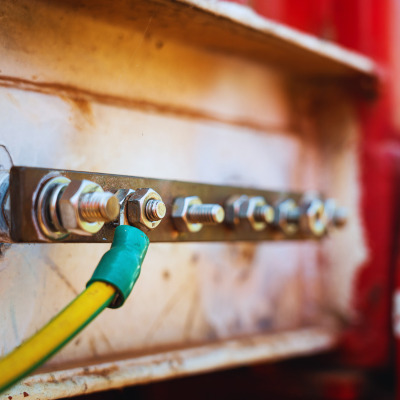
In residential installations, this is typically achieved through grounding conductors connected to earth electrodes or grounding rods driven into the soil.
2. Protection of Electrical Equipment
Beyond human safety, grounding also protects electrical devices and infrastructure. Voltage surges, caused by lightning strikes, short circuits, or sudden power fluctuations, can severely damage appliances, motors, or electronic systems.
By providing a low-resistance path to earth, grounding ensures that excess current does not flow through sensitive equipment. Instead, it is safely dissipated into the ground. This protection is essential for preventing costly equipment failures, downtime in industries, or data loss in IT systems.
3. Stabilizing Voltage Levels
Another vital purpose of grounding is to stabilize voltage within the electrical system. All electrical systems need a common reference point to ensure consistent voltage distribution. Grounding provides this reference, allowing the system to operate within safe limits.
Without grounding, electrical systems may experience erratic voltage fluctuations, which could lead to equipment malfunction or unpredictable electrical behavior. In power grids, grounding is indispensable for maintaining stability across large-scale transmission and distribution networks.
4. Facilitating the Operation of Protective Devices
Grounding works hand-in-hand with protective devices such as fuses, circuit breakers, and surge protection systems. When a fault occurs, grounding ensures that the current level rises quickly enough to trip these devices, disconnecting the faulty circuit.
For example, in the event of a short circuit, the sudden surge of current will flow to the ground, causing the breaker to trip almost instantly. Without grounding, the breaker may not detect the fault accurately, leading to overheating or fire hazards.
Thus, when considering what is the main purpose of grounding, it is clear that enabling protective devices to function correctly is a key factor.
5. Lightning Protection
Lightning strikes are natural electrical discharges that carry millions of volts. Without a grounding system, a direct or indirect strike could destroy structures, ignite fires, or injure people.
A lightning protection system relies heavily on grounding. Lightning rods capture the strike and channel the energy into the ground, preventing it from passing through the building or equipment. In this way, grounding becomes an essential component in safeguarding both lives and assets from nature’s most powerful electrical phenomenon.
6. Dissipation of Static Electricity
In industries where flammable gases, vapors, or fine dust particles are present, static electricity poses a serious explosion risk. Grounding prevents static charges from building up by allowing them to dissipate into the earth.
For instance, in fuel stations, tanker trucks are grounded before unloading to prevent sparks that could ignite fuel vapors. Similarly, in electronics manufacturing, grounding mats and wrist straps are used to protect delicate components from electrostatic discharge (ESD).
7. Compliance with Standards and Regulations
Globally, electrical codes and standards mandate grounding as a fundamental safety requirement. For example:
-
NEC (National Electrical Code) in the United States requires grounding in almost all installations.
-
IEC 60364 provides international guidelines for grounding and earthing practices.
-
Local regulations in various countries also set clear requirements for grounding conductors, electrodes, and testing.
Adhering to these regulations not only ensures safety but also protects businesses and homeowners from legal and insurance liabilities.
8. Long-Term Reliability of Electrical Systems
Finally, grounding contributes to the overall reliability of an electrical system. By preventing damage, ensuring stable voltage, and minimizing downtime, grounding extends the lifespan of infrastructure and reduces maintenance costs.
For industries where continuous operation is critical, such as hospitals, data centers, or manufacturing plants, grounding is indispensable for uninterrupted service.
So, what is the main purpose of grounding? It is to create a safe, stable, and efficient electrical system that protects people, equipment, and infrastructure from the dangers of faults, surges, lightning, and static electricity. Grounding ensures proper functioning of protective devices, stabilizes voltage, and complies with international standards.
In short, grounding is not just a technical requirement—it is the foundation of electrical safety and reliability. Without it, even the most advanced electrical system would be prone to unpredictable hazards.
Q&A: Grounding in Electrical Systems
Q: What is the main purpose of grounding in a house?
A: The main purpose is to protect residents from electric shock and safeguard appliances from voltage surges by providing a safe path for fault currents.
Q: How does grounding prevent electrical fires?
A: Grounding directs fault current into the earth, which causes protective devices like circuit breakers to trip quickly, preventing overheating and fire risks.
Q: Is grounding only for large buildings or industries?
A: No. Grounding is equally important in residential homes, offices, and even small-scale electrical systems to ensure safety and stability.
Q: Can poor grounding damage electronics?
A: Yes. Without proper grounding, sensitive electronics can suffer from voltage fluctuations, surges, or electrostatic discharge, leading to permanent damage.
Q: How is grounding tested?
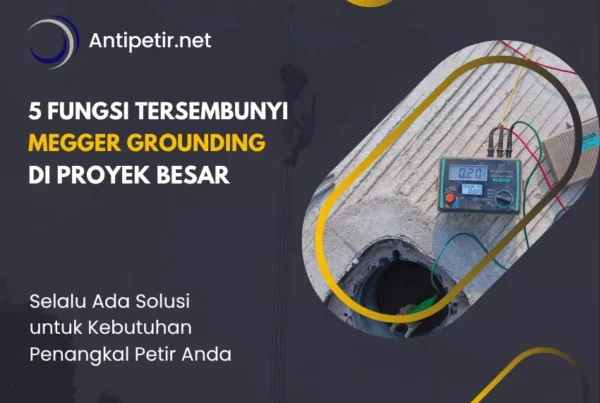
A: Grounding systems are tested using earth resistance testers to measure soil resistance. A low resistance value indicates an effective grounding system.

Curious about questions about what is the main purpose of grounding, or want information on other lightning protection solutions?
Visit www.antipetir.net or contact us at +62857-1002-2619.